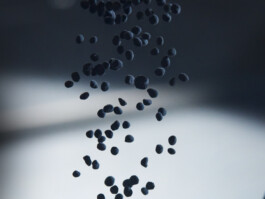
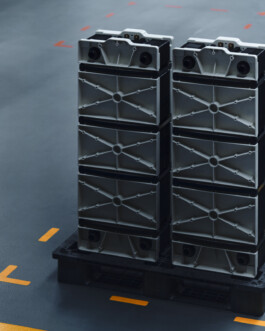
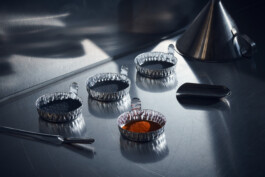
The battery system combines the strength of a liquid electrolyte with an energy storing solid.
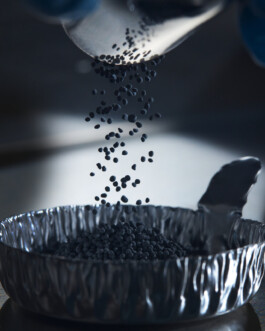
The technology does not need lithium, cobalt or other rare earth materials. This enables a more resilient supply chain and supports rapid, scalable deployment.

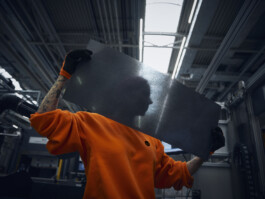
The electrolyte is separated by a thin membrane that allows ions to pass through.
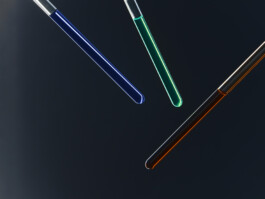
The battery system uses an aqueous, non-flammable design that prevents thermal runaways and therefore needs no complex safety systems.
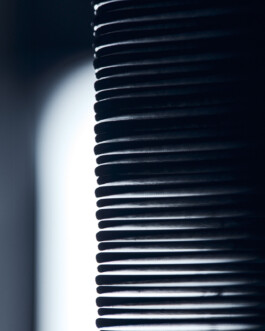
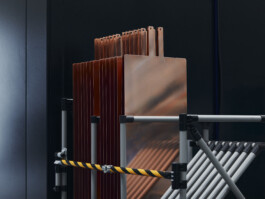
Layers of membranes stacked on top of one another increase the surface area.
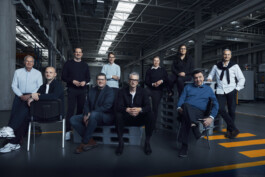
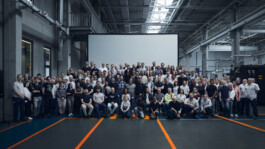
Olaf Althaus, Martin Röder, Constantin Eis, Giovanni Damato, Marco Brand, Jan Prochnow, Alexander Strippling, Nastaran Krawczyk, George Paterakis and Marcus Geigle (Left to Right)

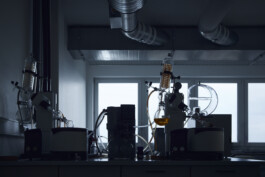
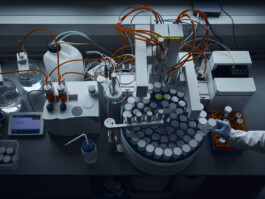
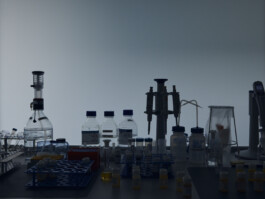
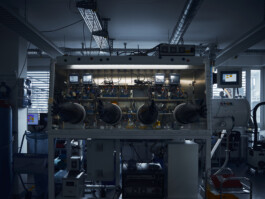
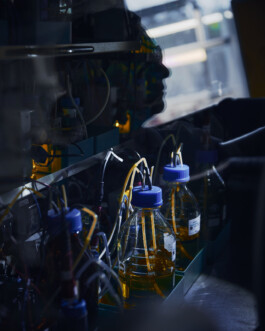
CMBLU has build a sophisticated systems to test newly developed electrolytes.
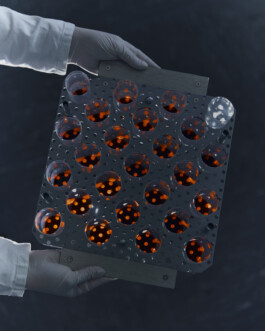
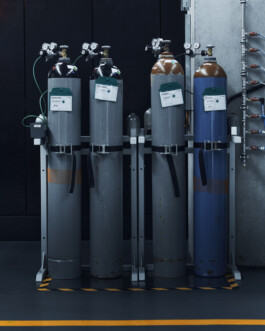
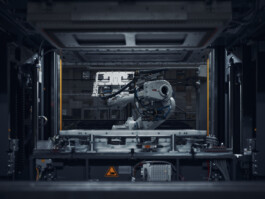
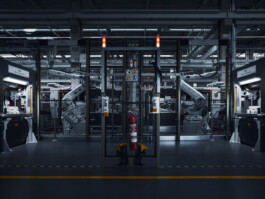
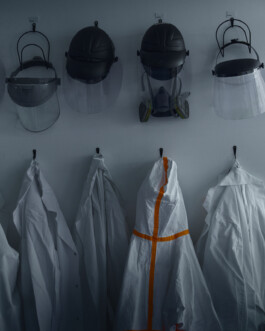
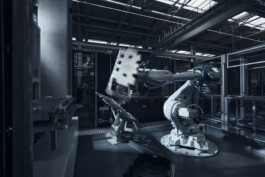
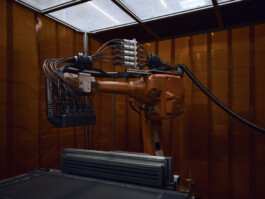
In difference to other battery manufacturers CMBLU is already designing the production line alongside the system. To do so a lot of talent with an background in automative design for example has been brought together.
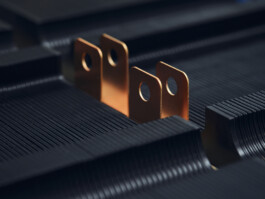
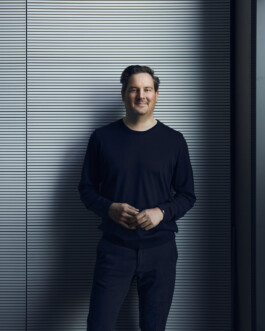
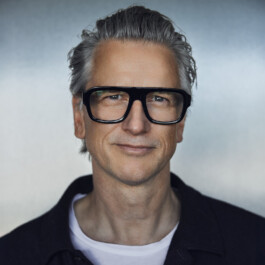
Constantin Eis joined CMBLU as CEO in 2024, bringing over 15 years of experience in growth and transformation. Most recently has was the CEO of Germany's largest dedicated renewable energy provider, LichtBlick.

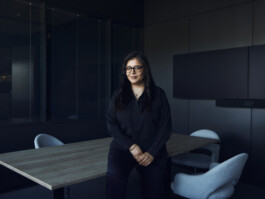
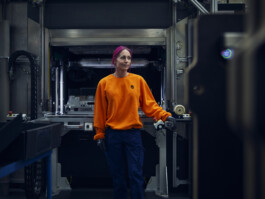
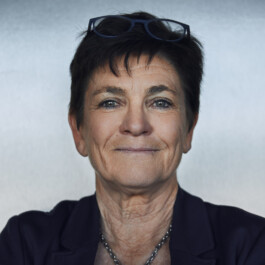
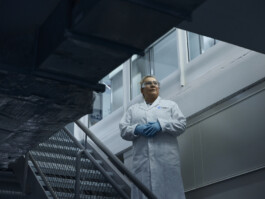
Dr. Nastaran Krawczyk, CTO of CMBLU. With a doctorate in physical chemistry and a background in battery research, she has been with the company since its early years. At first conducting research on an atomic level and now transferring the knowledge to an industrial-scale production line.



The battery system combines the strength of a liquid electrolyte with an energy storing solid.
The technology does not need lithium, cobalt or other rare earth materials. This enables a more resilient supply chain and supports rapid, scalable deployment.
The electrolyte is separated by a thin membrane that allows ions to pass through.
The battery system uses an aqueous, non-flammable design that prevents thermal runaways and therefore needs no complex safety systems.
Layers of membranes stacked on top of one another increase the surface area.
Olaf Althaus, Martin Röder, Constantin Eis, Giovanni Damato, Marco Brand, Jan Prochnow, Alexander Strippling, Nastaran Krawczyk, George Paterakis and Marcus Geigle (Left to Right)
CMBLU has build a sophisticated systems to test newly developed electrolytes.
In difference to other battery manufacturers CMBLU is already designing the production line alongside the system. To do so a lot of talent with an background in automative design for example has been brought together.
Constantin Eis joined CMBLU as CEO in 2024, bringing over 15 years of experience in growth and transformation. Most recently has was the CEO of Germany's largest dedicated renewable energy provider, LichtBlick.
Dr. Nastaran Krawczyk, CTO of CMBLU. With a doctorate in physical chemistry and a background in battery research, she has been with the company since its early years. At first conducting research on an atomic level and now transferring the knowledge to an industrial-scale production line.